Projects
Planting Prosperity: Conserving Cashew Trees for Livelihoods and Forests in Tanzania’s Coastal Zone
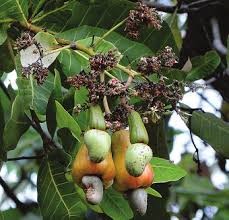
Along Tanzania’s coastline, the cashew tree (Anacardium occidentale) has long been more than just a crop. It is a source of food, firewood, timber, and—most importantly—income for smallholder farmers. Cashew nuts are one of the country’s leading cash crops, contributing significantly to both local and foreign earnings. In fact, Tanzania stands among Africa’s leading cashew producers alongside Mozambique, Ghana, Nigeria, Kenya, Burkina Faso, Benin, and Côte d’Ivoire.
But today, the future of this important tree species is under threat. In Kibaha District, a fast-growing urban and industrial hub, cashew trees are being cut at alarming rates—cleared for firewood, timber, agriculture, and housing construction. The destruction is not only reducing cashew yields but also accelerating deforestation in an already fragile coastal agro-ecological zone.
Meanwhile, cashew farmers themselves face mounting challenges:
- Climate change is reducing productivity and increasing vulnerability to pests and diseases.
- Price fluctuations and market manipulation leave farmers at the mercy of powerful middlemen.
- Weak farmer cooperatives and poor extension services leave smallholders without technical support.
- Fake agricultural inputs and lack of capital further drive down yields.
- Theft of harvests and poor rural infrastructure discourage investment in farming.
Without urgent intervention, both the livelihoods of farmers and the survival of cashew as a cornerstone of Tanzania’s agroforestry systems are at risk.
That is why Kibaha Environmental Conservation Action (KECA) is launching a bold initiative to protect and restore cashew-based agroforestry while improving farmer resilience.
Our Vision
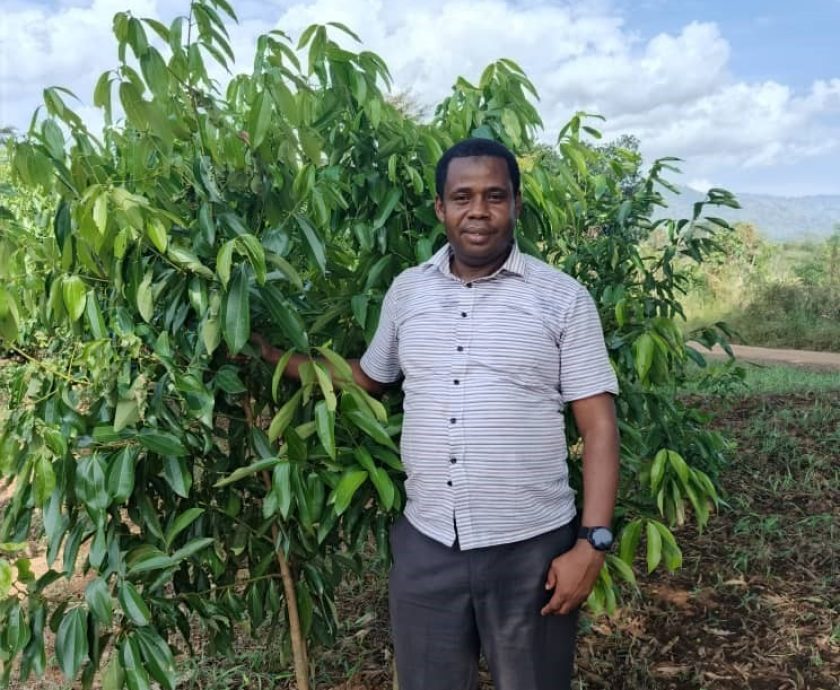
KECA seeks to establish community-led cashew tree nurseries to promote the domestication of cashew and other compatible agroforestry species. These nurseries will supply farmers with high-quality seedlings while also serving as demonstration centers for sustainable cashew farming and conservation practices.
Our Approach
- Tree nurseries for domestication – producing resilient cashew seedlings alongside multipurpose trees that reduce pressure on cashew for firewood and timber.
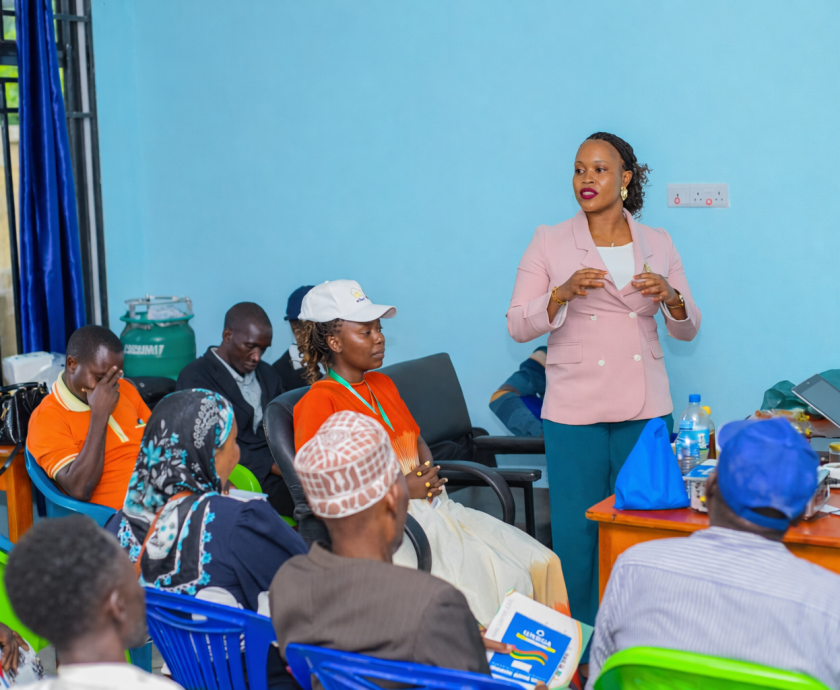
- Awareness creation – training farmers, cooperatives, schools, and communities on sustainable cashew agroforestry, conservation, and value addition.
- Livelihood diversification – promoting cashew value addition (processing, storage, and marketing) to strengthen household incomes and reduce dependency on exploitative market systems.
- Climate resilience – encouraging tree planting to buffer against climate shocks while conserving soil, water, and biodiversity in Tanzania’s coastal ecological zones.
Why This Matters
Cashew conservation = forest conservation: Protecting cashew trees directly reduces deforestation pressures.
- Economic empowerment: Stronger cashew systems mean steady incomes for farmers, especially women and youth.
- Climate action: Agroforestry with cashew improves resilience and reduces vulnerability to climate change.
- Community-driven: KECA works directly with farmers, local institutions, and cooperatives to ensure sustainability.
Your Partnership
With donor support, KECA can begin with nursery establishment and awareness campaigns in Kibaha District—then expand across Tanzania’s coastal zone. This project will restore landscapes, conserve forests, and empower smallholder cashew farmers to thrive while protecting a tree species central to their culture and economy.
Together, we can ensure that cashew trees continue to feed families, power local economies, and conserve forests for future generations.