Category: Projects

66
Projects

Kambaya Eco Farm

Kambaya Eco Farm: Growing Organics, Knowledge, and Eco-Tourism for a Green Future

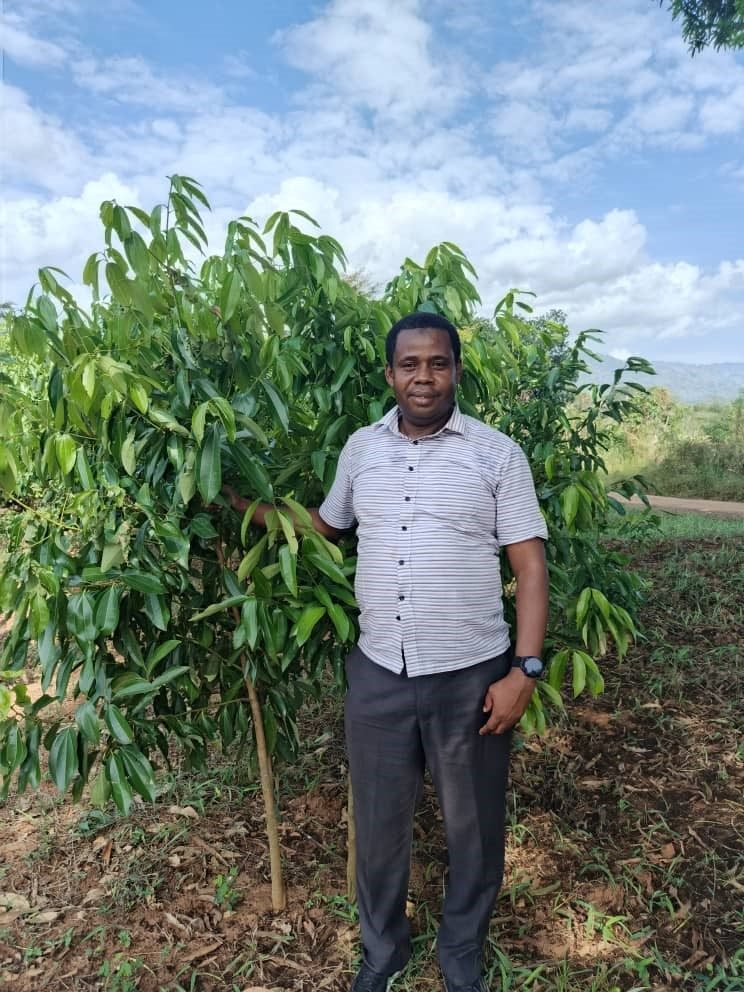
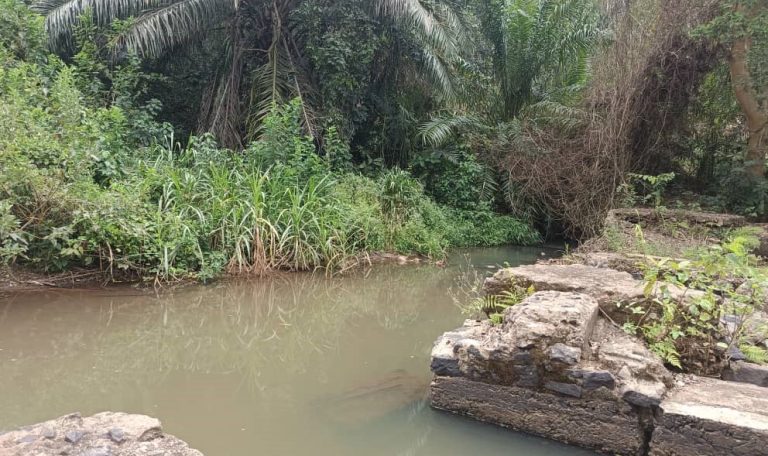
Nestled just 25 kilometers from Muheza town, along the banks of the Zigi River, lies a hidden gem of opportunity: the Kambaya Eco Farm. This farm, envisioned and championed by KECA Assistant Director Ramadan Othman—a DAAD alumnus from the University of Bonn and lecturer at the University of Zanzibar—combines organic farming, ecological tourism, training, and research into a model for Tanzania’s green economy.

A Living Classroom for Sustainability
Kambaya Eco Farm is more than a farm; it is a living classroom. Here, students, researchers, and tourists can learn about:

  • Organic spice production: from planting to harvesting, preparation, tasting, and use of cloves, cinnamon, pepper, and more.
  • Fruit farming: mangoes, citrus, and other tropical delights grown without harmful chemicals.
  • Beekeeping and honey production: showcasing how bees sustain ecosystems while producing high-value products.
  • Conservation agriculture: methods that protect soil health, conserve water, and increase farm resilience.

Where Nature Meets Adventure
Beyond agriculture, Kambaya Eco Farm is a sanctuary for biodiversity and eco-tourism:

  • Wildlife spotting: monkeys, snakes, crocodiles, and a rich variety of birds.
  • Water sports: fishing, canoeing, and boat tours along the Zigi River.
  • Eco-camping: offering visitors an immersive experience in nature while supporting local conservation.

A Hub for Research, Training, and Enterprise
The farm doubles as a training and research center, equipping farmers, youth, and women with skills in organic farming, sustainable spice cultivation, and eco-friendly entrepreneurship. By linking science, practice, and tourism, Kambaya creates opportunities for knowledge exchange and income diversification. The sale of farm products—organic spices, fruits, honey, and crafts—adds another revenue stream that strengthens sustainability.

Why This Project Matters

  • Promotes organic farming as a healthier, more sustainable alternative to chemical-intensive agriculture.
  • Links conservation and livelihoods through beekeeping and eco-farming.
  • Expands eco-tourism in Tanzania, offering unique experiences that combine culture, biodiversity, and sustainability.
  • Empowers communities by training farmers, women, and youth in green economy enterprises.
  • Bridges education and practice by hosting students and researchers for hands-on learning.

Our Next Steps
With donor support, KECA aims to:

  1. Expand organic spice and fruit production at Kambaya Eco Farm.
  2. Build better facilities for eco-tourism—visitor huts, camping spaces, and trails.
  3. Strengthen the farm as a training and research hub for students, farmers, and tourists.
  4. Develop community partnerships to ensure that eco-tourism revenues support local livelihoods and conservation.

Your Partnership
By supporting KECA’s Kambaya Eco Farm Project, you will help create a vibrant model of organic agriculture, ecological tourism, and conservation education in Tanzania’s coastal zone. Together, we can grow healthier food, protect biodiversity, and build a future where communities and nature thrive side by side.



BAMBOO PICS CONTAINER-2
Projects

Reforestation in the Usambara with Yoghoi Pentecostal Church

Growing Forests, Growing Futures: KECA Yoghoi Pentecostal Church & KBTC’s Tree Planting Initiative in the West Usambara Mountains

The West Usambara Mountains of northern Tanzania are a treasure trove of biodiversity, water sources, and fertile soils. These mountains provide life-sustaining resources to thousands of families in Lushoto District and beyond. Yet, year after year, deforestation, land degradation, and unsustainable land use threaten these fragile ecosystems.

At Kibaha Environmental Conservation Action (KECA), together with the Kibaha Beekeeping Training Centre (KBTC), we believe in solutions that restore nature while also empowering people. That is why we are scaling up our efforts to conserve the West Usambara forests through tree planting, agroforestry, and fruit tree distribution—building on a strong track record of success with local communities and faith-based groups.

Since 2017, our partner group in Yoghoi Village has worked with Environmental Conservation Action to plant more than 30,000 trees across schools, churches, protected areas, and community farms. Between 2020 and 2021, we partnered with the Mtae Water Users Association (MWUA) through a Weltweit e. V funded project to plant 12,000 trees at Goka Water Source in Rangwi Ward. This vital spring supplies clean water to entire communities in Mtae Division, and the new trees now protect the catchment within the Shagayu Forest Reserve.

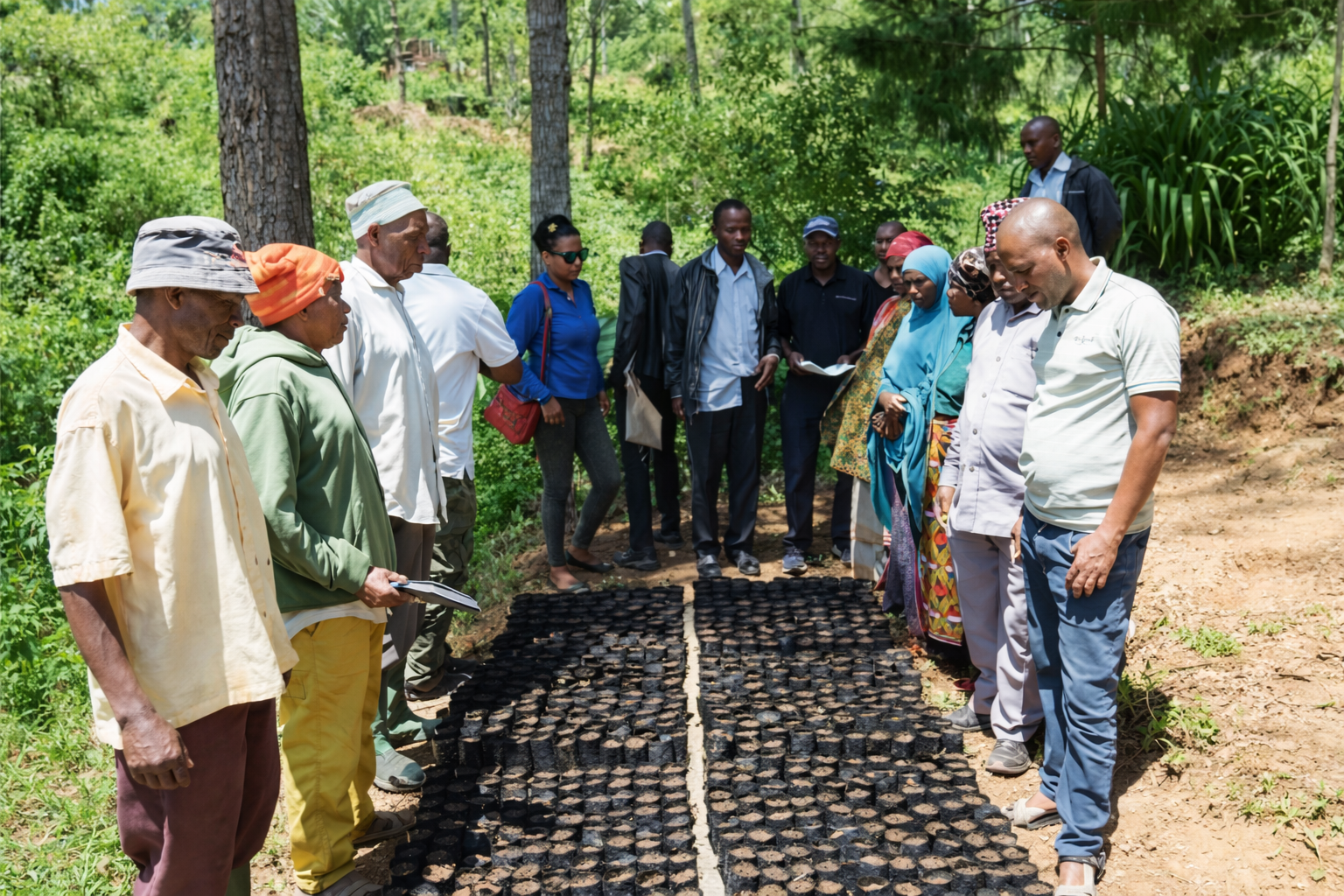
Building on this momentum, the Yoghoi Pentecostal Church nursery, supported by KECA, has since produced 280,000 seedlings—species for water source conservation, agroforestry, and most notably, avocado trees. Avocados are in high demand: they restore soil health, prevent erosion, provide nutrition, and create lasting income for farming families.

Now, with the technical guidance of KECA and the outreach networks of KBTC, we are preparing for the 2025/2026 planting season. Our target is to raise and distribute 200,000 fruit tree seedlings, with a strong emphasis on avocado trees. These will be planted in schools, churches, conserved areas, and community farms across Lushoto District—turning landscapes green again while strengthening local food security.

Why this project matters

  1. Conservation at scale: Protecting forests, water sources, and biodiversity hotspots in the West Usambara Mountains.
  2. Food and income security: Avocado trees provide sustainable harvests and new market opportunities for families.
  3. Community-led action: Schools, churches, and farmers are at the canter of planting and caring for trees.
  4. Proven experience: From 30,000 trees planted with local partners to managing large-scale nurseries, KECA and KBTC have the credibility and capacity to deliver.

Your support can make the difference. By funding this project, you will help us restore degraded land, protect water catchments, and improve livelihoods—planting hope for generations to come in the West Usambara Mountains.

Together with KECA and KBTC, let’s turn seedlings into forests, and forests into lasting futures.

Photo. 1. Goka forest where MWUA planted trees with the Yoghoi group in 2021


Photo 2 and 3. The current tree nurseries activities with Yoghoi Group

Photo 4 and 5. Group visits and transportation of fruit trees from Yoghoi tree nursery

Photo 6 and 7 group visit and Yoghoi women group activities

Photo 8. Current fruit trees at Yoghoi nursery

YT
Projects

KECA Bamboo for People and Planet in Tz

Bamboo for People and Planet: KECA’s Green Innovation in Tanzania’s Coastal Region

In Tanzania’s Coast Region, farmers and communities are searching for solutions that balance economic growth with environmental protection. One plant offers extraordinary potential: bamboo.

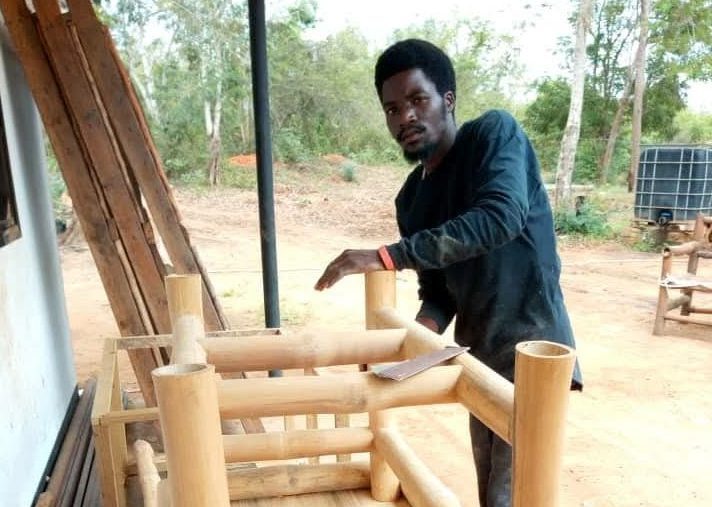
The main species planted here, Bambusa vulgaris, grows quickly, thrives in diverse soils, and provides multiple benefits. Already, bamboo is being used for construction materials, furniture (tables, chairs, shelves, and beds), household utensils (cups, trays, baskets), and even bicycles. It is also processed into manure, animal fodder, toothpicks, skewers, ice-cream sticks, and medical tools. Unlike traditional timber, bamboo is less flammable, produces little dust when processed, and has become highly marketable—creating jobs and improving livelihoods in Dar es Salaam, Bagamoyo, and beyond.

Recognizing this opportunity, Kibaha Environmental Conservation Action (KECA) has been pioneering bamboo-based solutions that go beyond business. Inspired by a DAAD Alumni Seminar in Mozambique, where KECA directors saw the inauguration of the Maputo Bamboo Training Centre, KECA returned home determined to link bamboo with beekeeping. Today, we are working toward eco-friendly bamboo beehives, reducing dependence on timber and helping communities protect forests while strengthening honey production.

But this is just the beginning.

Our Vision: Bamboo for Conservation and Community Empowerment
KECA is launching a new project to promote bamboo domestication for agroforestry among farmers in Tanzania’s Coast Region. By integrating bamboo into their farms, farmers will improve soil fertility, increase productivity, and access new income streams from bamboo products. At the same time, the project will directly contribute to conservation of the Ruvu River Basin and surrounding natural forests by planting bamboo along riverbanks, forest buffer zones, and community lands.

Why Bamboo?

  • Environmental impact: Bamboo grows fast, restores degraded soils, prevents erosion, and conserves water catchments.
  • Innovation with beekeeping: Eco-friendly bamboo beehives reduce deforestation while improving honey quality and production.
  • Economic empowerment: Bamboo processing industries already generate employment and high-demand products; this project will expand opportunities for farmers.
  • Climate solution: Bamboo sequesters carbon faster than many trees, making it a natural ally in the fight against climate change.

 Your Support Will Help KECA:

  1. Establish community bamboo nurseries to supply farmers with high-quality seedlings.
  2. Train farmers in agroforestry techniques that integrate bamboo with cashew, teak, acacia, and other species.
  3. Promote value addition through bamboo-based furniture, utensils, and beekeeping innovations.
  4. Restore degraded areas of the Ruvu River Basin and strengthen forest buffer zones.

This project represents a powerful synergy between livelihoods and conservation. With donor support, KECA can scale bamboo farming into a sustainable green industry that not only restores landscapes but also creates jobs, supports farmers, and provides eco-friendly alternatives to wood.

Together, we can build a future where bamboo grows hope, forests, and prosperity across Tanzania’s Coast Region.

CASHEW
Projects

KECA project on cashew and Coastal Forest Conservation

Planting Prosperity: Conserving Cashew Trees for Livelihoods and Forests in Tanzania’s Coastal Zone

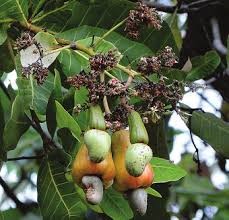
Along Tanzania’s coastline, the cashew tree (Anacardium occidentale) has long been more than just a crop. It is a source of food, firewood, timber, and—most importantly—income for smallholder farmers. Cashew nuts are one of the country’s leading cash crops, contributing significantly to both local and foreign earnings. In fact, Tanzania stands among Africa’s leading cashew producers alongside Mozambique, Ghana, Nigeria, Kenya, Burkina Faso, Benin, and Côte d’Ivoire.

But today, the future of this important tree species is under threat. In Kibaha District, a fast-growing urban and industrial hub, cashew trees are being cut at alarming rates—cleared for firewood, timber, agriculture, and housing construction. The destruction is not only reducing cashew yields but also accelerating deforestation in an already fragile coastal agro-ecological zone.

Meanwhile, cashew farmers themselves face mounting challenges:

  • Climate change is reducing productivity and increasing vulnerability to pests and diseases.
  • Price fluctuations and market manipulation leave farmers at the mercy of powerful middlemen.
  • Weak farmer cooperatives and poor extension services leave smallholders without technical support.
  • Fake agricultural inputs and lack of capital further drive down yields.
  • Theft of harvests and poor rural infrastructure discourage investment in farming.

Without urgent intervention, both the livelihoods of farmers and the survival of cashew as a cornerstone of Tanzania’s agroforestry systems are at risk.

That is why Kibaha Environmental Conservation Action (KECA) is launching a bold initiative to protect and restore cashew-based agroforestry while improving farmer resilience.

Our Vision
KECA seeks to establish community-led cashew tree nurseries to promote the domestication of cashew and other compatible agroforestry species. These nurseries will supply farmers with high-quality seedlings while also serving as demonstration centers for sustainable cashew farming and conservation practices.

Our Approach

  1. Tree nurseries for domestication – producing resilient cashew seedlings alongside multipurpose trees that reduce pressure on cashew for firewood and timber.
  2. Awareness creation – training farmers, cooperatives, schools, and communities on sustainable cashew agroforestry, conservation, and value addition.
  3. Livelihood diversification – promoting cashew value addition (processing, storage, and marketing) to strengthen household incomes and reduce dependency on exploitative market systems.
  4. Climate resilience – encouraging tree planting to buffer against climate shocks while conserving soil, water, and biodiversity in Tanzania’s coastal ecological zones.

Why This Matters

Cashew conservation = forest conservation: Protecting cashew trees directly reduces deforestation pressures.

  • Economic empowerment: Stronger cashew systems mean steady incomes for farmers, especially women and youth.
  • Climate action: Agroforestry with cashew improves resilience and reduces vulnerability to climate change.
  • Community-driven: KECA works directly with farmers, local institutions, and cooperatives to ensure sustainability.

Your Partnership
With donor support, KECA can begin with nursery establishment and awareness campaigns in Kibaha District—then expand across Tanzania’s coastal zone. This project will restore landscapes, conserve forests, and empower smallholder cashew farmers to thrive while protecting a tree species central to their culture and economy.

Together, we can ensure that cashew trees continue to feed families, power local economies, and conserve forests for future generations.


KIKAO FFFF
Projects

Apiculture training for sustainable development


Bright Futures: Transforming Beekeeping through the Kibaha Apiculture Training Centre

In the heart of Tanzania’s Pwani Region, a new beacon of opportunity has emerged. The Apiculture Training Centre in Kibaha, fully constructed and now operational, marks a turning point for Tanzania’s beekeeping sector. Thanks to the Germany Ministry of Technical Cooperation and Development (BMZ) and Weltweit e. V from Germany for funding this project.

For decades, apiculture in Tanzania has been held back by low productivity from traditional hives, poor post-harvest handling, limited value addition, and lack of structured training. Yet the potential has always been enormous. Honey and other bee products feed families, generate income, power industries, and safeguard ecosystems through pollination. The challenge was clear: build a platform where innovation, training, and enterprise could come together.

KECA (Kibaha Environmental Conservation Action) and KBTC (Kibaha Beekeeping Training Centre) answered that call. Today, the new Apiculture Training Centre stands as a modern hub for capacity building and sustainable enterprise development.

A Facility Built for Impact
The center is equipped with:

  • 1 conference hall, 2 training rooms, 2 storage rooms, 1 administrative office, and 1 security office.
  • Sanitation blocks, water supply systems, and electricity for reliable operations.
  • A demonstration apiary showcasing both traditional and modern hive technologies, allowing trainees to gain hands-on experience in colony management, harvesting, and bee health.

Transforming Beekeeping for Communities
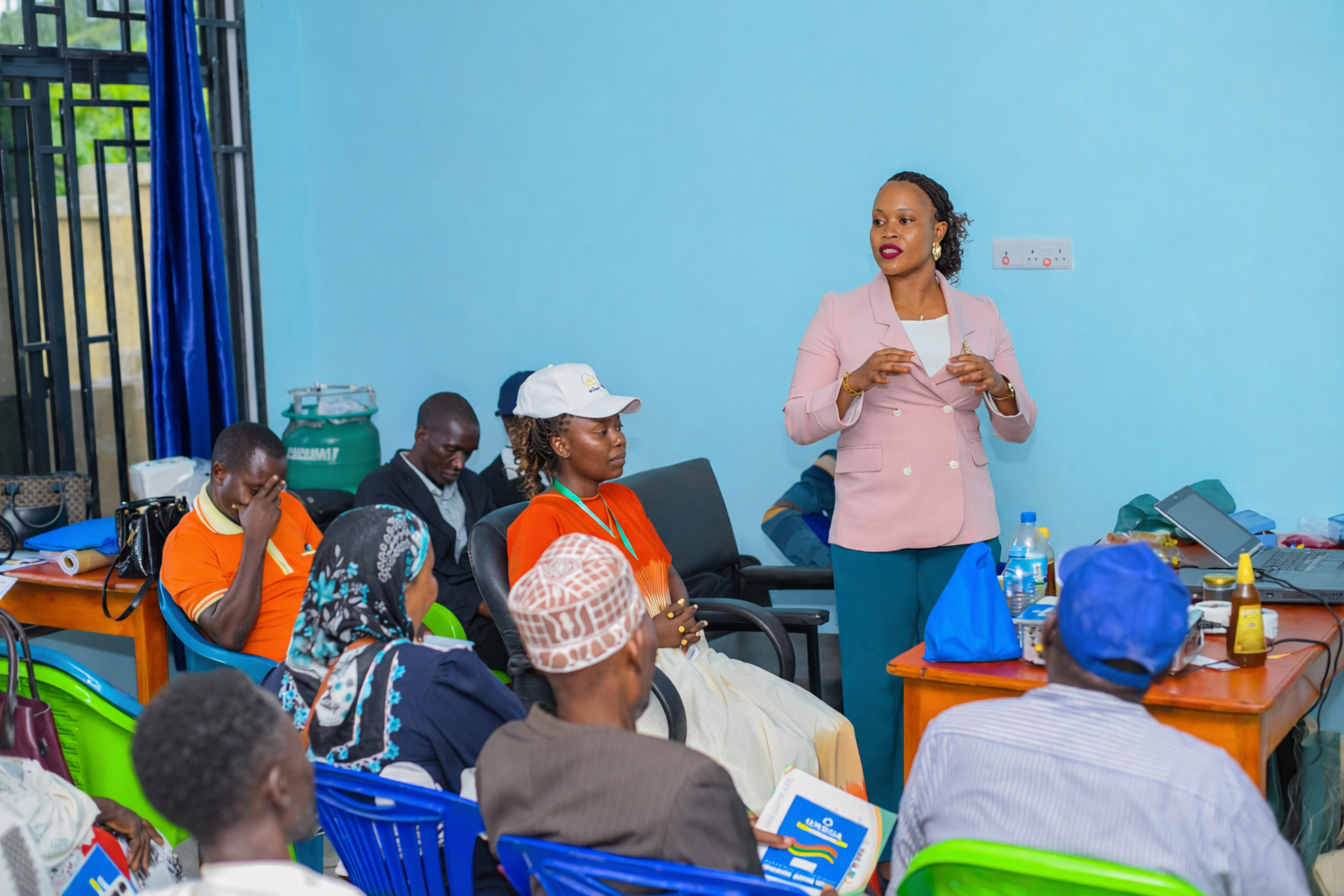
The center’s programs cover modern hive management, colony multiplication, honey handling, wax processing, quality control, climate-smart practices, and pollinator-friendly land management. By equipping participants with technical and business skills, KECA and KBTC are:

  • Raising productivity and reducing post-harvest losses.
  • Improving access to competitive national and international markets.
  • Linking beekeeping with forest conservation, since healthy ecosystems sustain bee populations.

Why This Matters for Tanzania

  • Employment and youth opportunities: With 31% of Tanzania’s 61 million people being youth, beekeeping offers a viable pathway for rural employment and entrepreneurship.
  • Economic potential: The sector already employs 2 million people along the value chain and supplies products used in food, cosmetics, pharmaceuticals, textiles, leather, electronics, and candles.
  • Global vision: With the brand “Marlena Pure” Honey gaining recognition, Tanzania is preparing to showcase its beekeeping network as it aims to host Apimondia 2030, the world’s premier beekeeping congress.

Our Next Steps
KECA and KBTC are seeking support to:

  1. Train more beekeepers nationwide, with a focus on women and youth.
  2. Expand market linkages for “Marlena Pure” Honey and other bee products.
  3. Promote forest conservation by linking sustainable beekeeping with ecosystem protection.
  4. Strengthen Tanzania’s visibility in global apiculture, building momentum toward hosting Apimondia 2030.

Your Partnership
With your support, the Kibaha Apiculture Training Centre will grow into a national hub of excellence, transforming livelihoods, conserving forests, and positioning Tanzania as a leader in sustainable beekeeping. Every beekeeper trained means stronger communities, healthier forests, and sweeter futures for generations to come.