Empowering Women In Beekeeping And Environmental Conservation
Empowering Women, Protecting Forests, and Building a Green Economy in Tanzania
In Tanzania, the path toward a green economy must include women, sustainable livelihoods, and nature-based solutions. That is why Kibaha Environmental Conservation Action (KECA) and the Kibaha Beekeeping Training Centre (KBTC) are pioneering integrated initiatives that combine women’s empowerment, clean cooking technologies, beekeeping, bamboo domestication, and ecological tourism.
Our Director, after completing a prestigious postgraduate course at the University of Dresden in Germany, returned home with the skills and vision to translate global knowledge into local impact. Today, that vision is alive in Tanzania through KECA’s innovative programs.
- Women at the Heart of Change
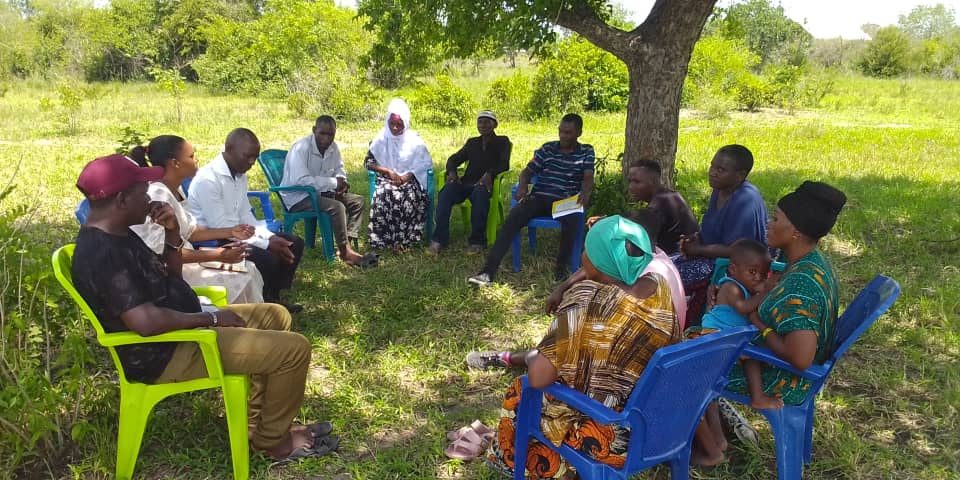
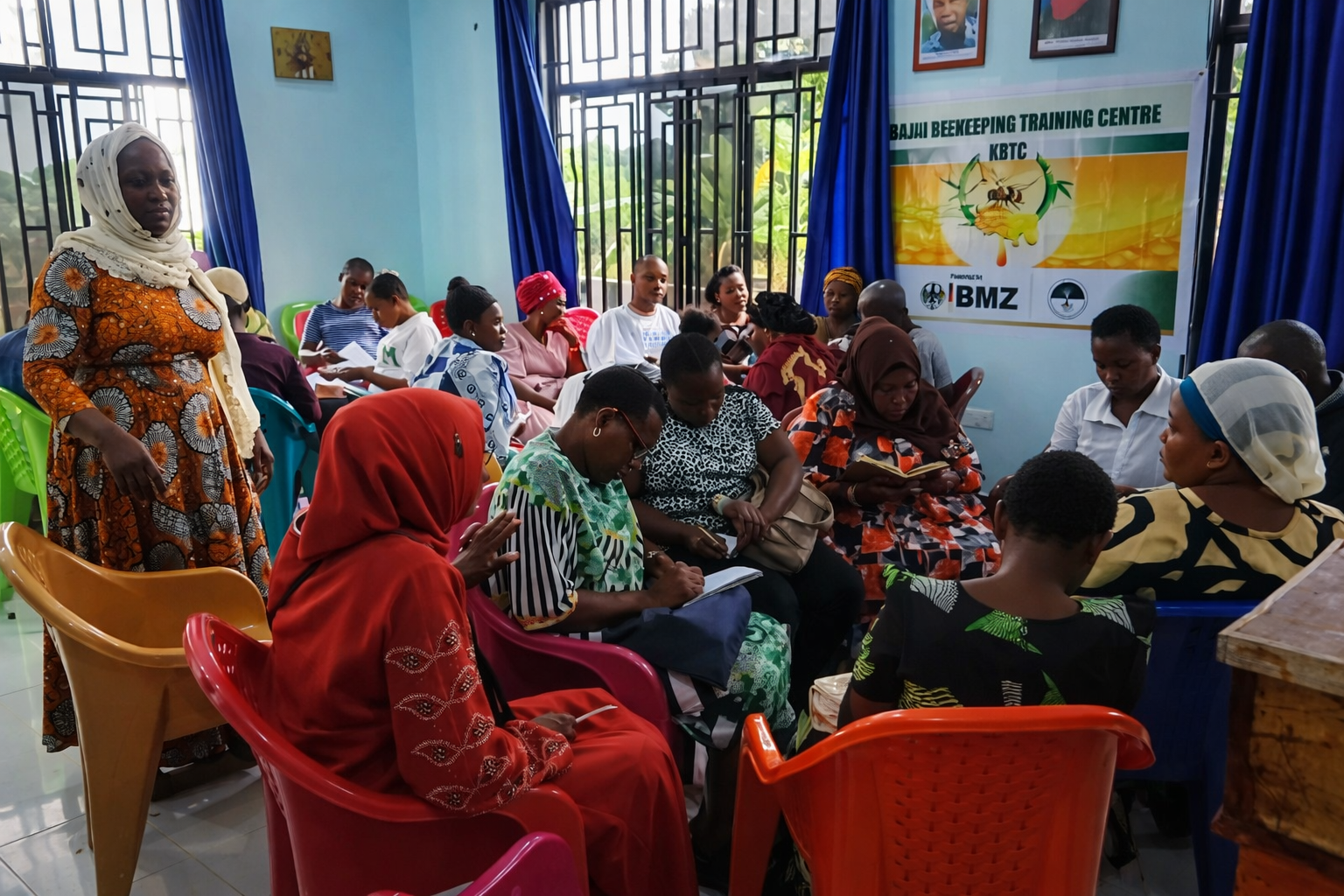
Women are central to KECA and KBTC’s mission. In our training programs—ranging from clean cooking to sustainable beekeeping and bamboo domestication—we prioritize the participation of women, including widows and other vulnerable groups. By equipping them with technical skills, entrepreneurial opportunities, and sustainable solutions, we ensure that women become key drivers of household energy transition and forest conservation. - Clean Cooking for Healthy Families and Forests
Traditional cooking methods remain one of the greatest pressures on Tanzania’s forests. By promoting clean cooking technologies, KECA reduces household reliance on firewood and charcoal, cutting harmful emissions, improving family health, and relieving women and children from the burden of fuel collection. There is an urgent need for donor support to expand training, provide stoves, and make clean cooking accessible for more households across the Coast Region. - Beekeeping and Bamboo for Livelihoods
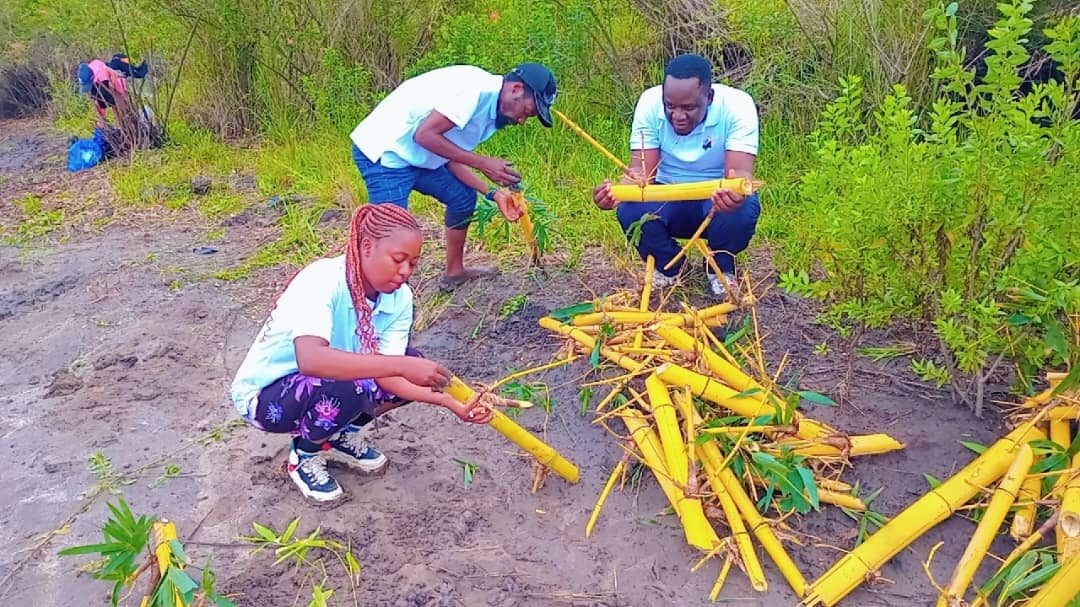
KECA and KBTC link conservation with enterprise. Beekeeping empowers rural families, produces high-value products like Marlena Pure Honey, and encourages forest protection since bees thrive in healthy ecosystems. Meanwhile, bamboo domestication offers an eco-friendly alternative to timber, with uses ranging from furniture and crafts to bamboo beehives that reduce deforestation. Together, these initiatives build diversified, sustainable income streams for families. - Ecological Tourism for Awareness and Income
We believe that conservation must be experienced to be valued. Through partnerships with CMK Royal Tour and Ecological Tourism, KECA offers visitors immersive experiences: exploring beekeeping activities, tasting honey from different agro ecological zones, and witnessing women-led green initiatives. Tourists also have the opportunity to visit Tanzania’s iconic natural attractions—linking conservation with cultural pride and sustainable tourism.
Our Vision
By combining women’s empowerment, clean energy, and ecological tourism, KECA and KBTC are creating a holistic model of a green economy. This model not only addresses urgent issues like deforestation, energy poverty, and unemployment but also showcases Tanzania as a hub of innovation in sustainable development.
Your Partnership
With donor support, KECA can:
- Train and equip more women with clean cooking solutions.
- Scale bamboo domestication and beekeeping enterprises.
- Expand ecological tourism to generate income for conservation and communities.
- Strengthen women-led networks for green economy leadership.
Together, we can turn these seeds of change into a flourishing movement—where women thrive, forests stand tall, and Tanzania leads the way toward a green and sustainable future.