Projects
Kambaya Eco Farm: Growing Organics, Knowledge, and Eco-Tourism for a Green Future
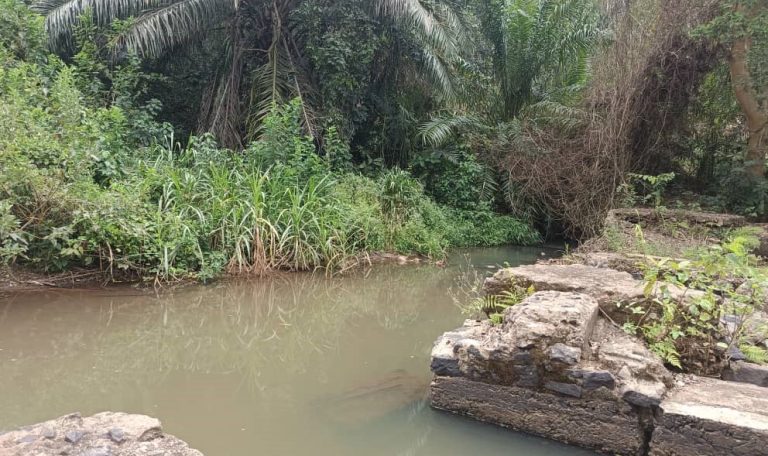
Nestled just 25 kilometers from Muheza town, along the banks of the Zigi River, lies a hidden gem of opportunity: the Kambaya Eco Farm. This farm, envisioned and championed by KECA Assistant Director Ramadan Othman—a DAAD alumnus from the University of Bonn and lecturer at the University of Zanzibar—combines organic farming, ecological tourism, training, and research into a model for Tanzania’s green economy.
A Living Classroom for Sustainability
Kambaya Eco Farm is more than a farm; it is a living classroom. Here, students, researchers, and tourists can learn about:
- Organic spice production: from planting to harvesting, preparation, tasting, and use of cloves, cinnamon, pepper, and more.
- Fruit farming: mangoes, citrus, and other tropical delights grown without harmful chemicals.
- Beekeeping and honey production: showcasing how bees sustain ecosystems while producing high-value products.
- Conservation agriculture: methods that protect soil health, conserve water, and increase farm resilience.
Where Nature Meets Adventure
Beyond agriculture, Kambaya Eco Farm is a sanctuary for biodiversity and eco-tourism:
- Wildlife spotting: monkeys, snakes, crocodiles, and a rich variety of birds.
- Water sports: fishing, canoeing, and boat tours along the Zigi River.
- Eco-camping: offering visitors an immersive experience in nature while supporting local conservation.
A Hub for Research, Training, and Enterprise
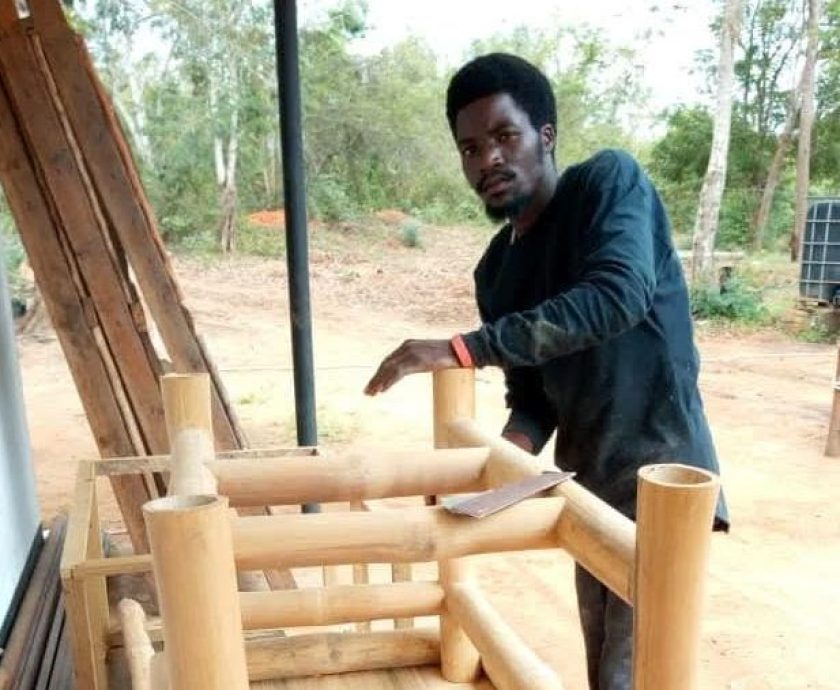
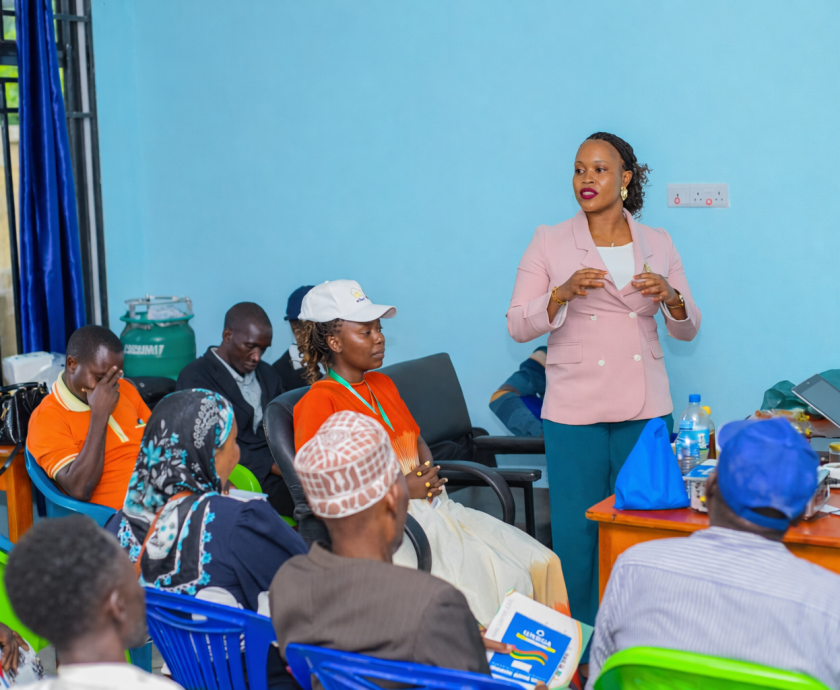
The farm doubles as a training and research center, equipping farmers, youth, and women with skills in organic farming, sustainable spice cultivation, and eco-friendly entrepreneurship. By linking science, practice, and tourism, Kambaya creates opportunities for knowledge exchange and income diversification. The sale of farm products—organic spices, fruits, honey, and crafts—adds another revenue stream that strengthens sustainability.
Why This Project Matters
- Promotes organic farming as a healthier, more sustainable alternative to chemical-intensive agriculture.
- Links conservation and livelihoods through beekeeping and eco-farming.
- Expands eco-tourism in Tanzania, offering unique experiences that combine culture, biodiversity, and sustainability.
- Empowers communities by training farmers, women, and youth in green economy enterprises.
- Bridges education and practice by hosting students and researchers for hands-on learning.
Our Next Steps
With donor support, KECA aims to:
- Expand organic spice and fruit production at Kambaya Eco Farm.
- Build better facilities for eco-tourism—visitor huts, camping spaces, and trails.
- Strengthen the farm as a training and research hub for students, farmers, and tourists.
- Develop community partnerships to ensure that eco-tourism revenues support local livelihoods and conservation.
Your Partnership
By supporting KECA’s Kambaya Eco Farm Project, you will help create a vibrant model of organic agriculture, ecological tourism, and conservation education in Tanzania’s coastal zone. Together, we can grow healthier food, protect biodiversity, and build a future where communities and nature thrive side by side.